
If you’ve ever found yourself watching a tiny house tour and whispering I could totally live there, then you already get it: there’s something irresistibly clever about compact spaces done well.
Every square metre has a job. Everything is intentional. It might be small — but it’s smart, gorgeous, and wildly efficient.
Now imagine if your website was like that.
At A Lined Design, we like to think of websites as tiny houses in the vast digital neighbourhood of the internet. Your little plot of the web doesn’t need to be massive — it just needs to be yours. Designed with care. Built to last. And made to feel like home for the people you want to welcome in.
This post is the foundation of our “Tiny House, Big Energy” blog series — a peek behind the scenes of how strategic websites get built when you’re thinking like a designer, not a decorator.
Tiny House Energy = Website Strategy Goals
Tiny houses are more than just small. They’re intentional. Practical. Often beautiful in ways you didn’t expect.
Websites should be the same.
We’re talking:
Design that reflects your personality and purpose
Pages that do their job without shouting
Smart navigation that feels like flow, not friction
A digital space that makes your ideal clients feel like they’ve arrived somewhere that gets them
Tiny homes and great websites are built for real people, not just showreels.
First Things First: Land + Address = Hosting + Domain
Before you start building your tiny house, you need two things: a patch of land, and an address people can find.
Websites work the same way.
Your web hosting is your land — it’s where your website lives on the internet
Your domain name is your street address — it’s how people find you and knock on your digital door
Choosing the right host matters (no one wants their house falling off a cliff), and picking a domain that reflects your brand makes it easier for people to remember, refer, and Google you.
The Layout: Floor Plans, Flow and Good Vibes
Now we’re inside. This is where strategy meets creativity.
In tiny house terms, your layout matters more than ever — every wall, window, and hidden storage unit has a purpose. With websites, the same logic applies. A smart site is built around:
User experience (can people get where they need to go?)
Business goals (is the site helping you sell / book / build trust?)
Visual hierarchy (are we leading eyes where they need to land?)
We love playing with white space, anchoring content in meaning, and making sure every element earns its place.
The Styling: Colour Schemes, Throw Pillows, and You
A tiny house becomes a home through personality: a splash of paint, a collection of plants, the right mix of textures.
Same goes for your website.
Whether you lean minimalist with crisp lines and calming neutrals, or you’re all about boho energy, colour pops and visual storytelling — your brand should feel alive on the screen. We like to think of this as your site’s decor layer — not the fluff, but the feeling.
(We may or may not have 11 plants and a kelpie named Frank helping us make these decisions.)
Function Over Flash: SEO, Speed and Flow
Imagine walking into a minimalist home. Its essence is captured by clean lines, a monochromatic colour palette, and an abundance of negative space – which, in design terms, refers to the open, unoccupied spaces that give the eye a place to rest. This home is uncluttered, with only essential pieces of furniture, reflecting a focus on simplicity and functionality. The decorations are sparse but meaningful, perhaps a singular piece of modern art or a sleek, understated vase.
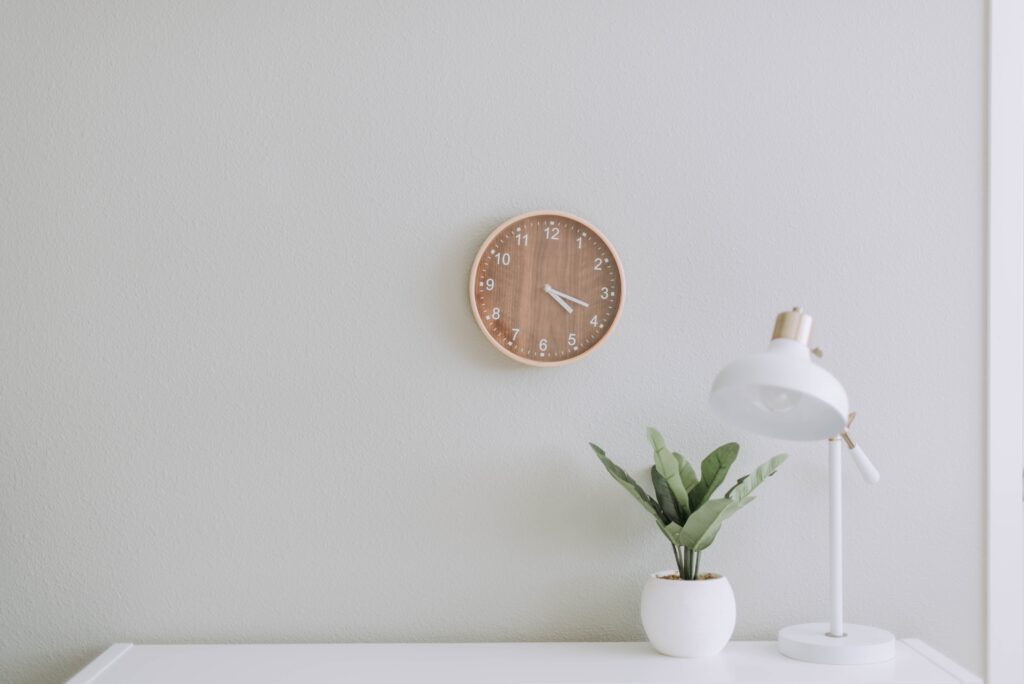
Translating this into a website, a minimalist design would feature a clean and crisp layout, a limited colour palette, and ample negative space to avoid overwhelming the visitor. The pieces of content, akin to books neatly arranged on a shelf, would be well-curated and purposeful. Each ‘book’ or content piece would be something the user is likely to pick up and engage with, given the uncluttered environment that invites focus and reflection. This type of website would likely attract visitors who appreciate clarity, value ease of navigation, and are drawn to a sleek, professional look.
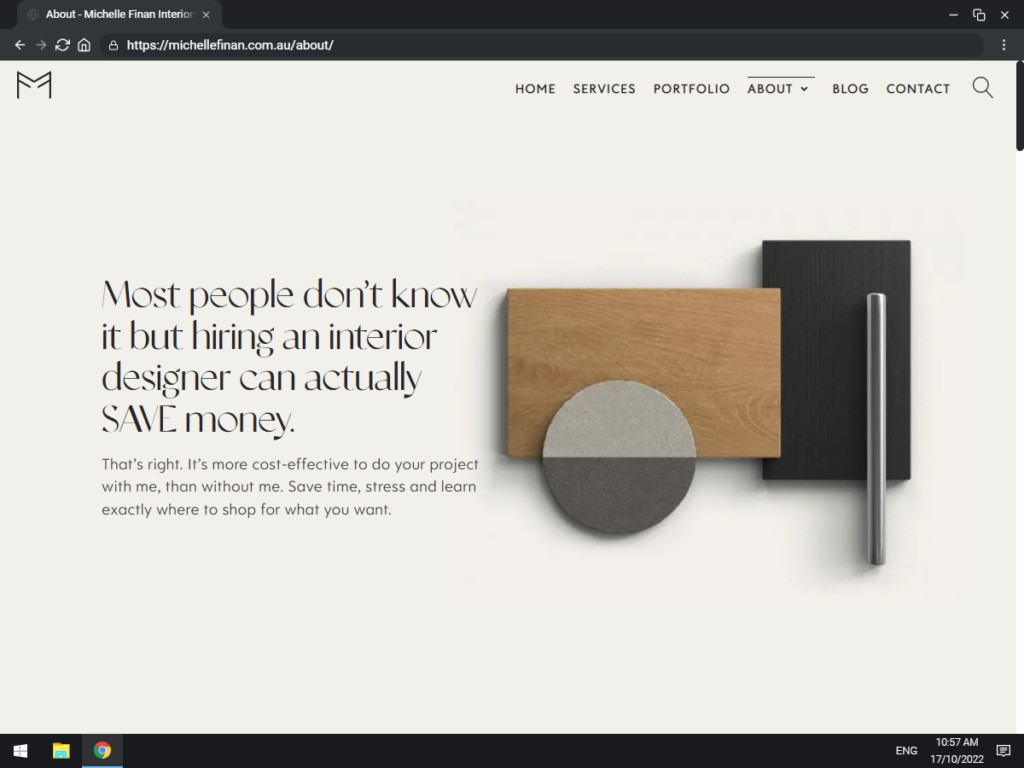
Now, step into a colourful artistic home. It’s a vibrant tapestry of colours, patterns, and eclectic decorations. Think colourful throw pillows, vintage furniture, and walls adorned with bohemian art. This style exudes warmth and personality, often incorporating a mix of textures and elements that tell a story. There’s still enough white space to move around and not become overwhelmed, to move about the house and get things done however, we care about not getting in the way of a great user experience. Or knocking over our pot plants!
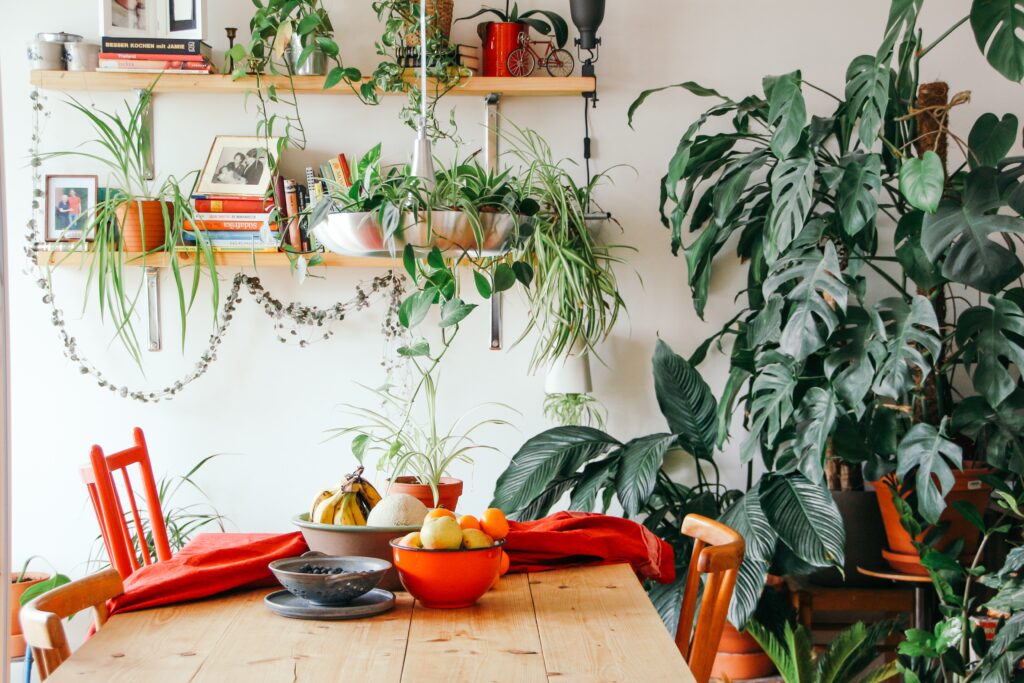
A website designed with a colourful warm aesthetic might use a rich, vibrant colour palette and feature unique, creative elements that capture attention. Such a website would attract visitors who are looking for something unique, and expressive. I like to think our website is a great example of this kind of work.
In both styles, the ‘books’ or pieces of content on your website’s ‘shelf’ are crucial. They need to resonate with the overall design and appeal to the visitors you want to attract. Whether it’s the clean, focused content of a minimalist site or the warm and eclectic site, it’s all about creating a space where your users feel comfortable and engaged.
Know Who You’re Building For
Every tiny house is designed with the owner in mind: a yoga teacher with a dog, a couple who works from the road, a surfer who needs space for boards.
Your website needs the same level of thought. Before you build, ask:
Who is this for?
What do they need?
What do I not need to include?
If you try to appeal to everyone, you’ll end up appealing to no one. A great website makes the right people feel at home, and the wrong people quietly move along. (That’s strategy. And boundaries.)
What’s Next: Your Digital Dream Home, Built With Intention
So this is your pre-reno walkthrough. We’ve just scratched the surface, but you’re already seeing it, right?
Your website doesn’t need to be a mansion. It needs to be a well-crafted, intentional space that feels like you: and makes the right people want to stick around.
In our next posts, we’ll dig into:
The must-have zones in every great website
The difference between open-plan design and a confusing mess
How to decorate your site without slowing it down
Ready to build your digital dream house?
Explore our Turn Key websites, or download the No Regrets Website Guide and start planning with purpose.
Your website should feel like home. Not a hotel lobby.